

Writing your own separation agreement can be a daunting task, but it is a viable option for many couples in Ontario. A separation agreement is a legally binding document that outlines the terms of a couple’s separation, including issues related to property division, child custody, and support. This guide will provide you with essential information on how to create a DIY separation agreement, the legal requirements involved, and the potential benefits and risks of taking this approach. By understanding the process and implications, you can make informed decisions that best suit your situation. We will cover the importance of separation agreements, the pros and cons of writing your own, the legal requirements in Ontario, and when to consider consulting a lawyer.
What Is a Separation Agreement and Why Is It Important?
A separation agreement is a legal document that formalizes the terms of a couple’s separation. It is crucial because it helps to clarify the rights and responsibilities of each party, reducing the potential for future disputes. By outlining key issues such as child custody, support payments, and property division, a separation agreement provides a clear framework for both parties to follow. This clarity can be particularly beneficial in high-stress situations, as it helps to minimize misunderstandings and conflicts.
What Does a Separation Agreement Include?
A separation agreement typically includes several key components:
- Terms of Custody: Details regarding the living arrangements and responsibilities for any children involved.
- Support Payments: Information on child support and spousal support obligations.
- Property Division: How assets and debts will be divided between the parties.
- Effective Date: The date when the agreement becomes enforceable.
These components are essential for ensuring that both parties understand their obligations and rights, which can help prevent future legal issues.
How Does a Separation Agreement Differ from Divorce?
While both separation agreements and divorce address the end of a marital relationship, they serve different purposes. A separation agreement is a contract that outlines the terms of separation, whereas a divorce is a legal process that officially dissolves the marriage. Importantly, a separation agreement can be in place while a couple is still legally married, allowing them to live separately and establish their own terms without immediately proceeding to divorce.
Can I Write My Own Separation Agreement? Pros and Cons of DIY Agreements
Creating your own separation agreement can be an appealing option for many couples, but it comes with both advantages and disadvantages. Understanding these can help you decide whether a DIY approach is right for you.
What Are the Benefits of Writing Your Own Separation Agreement?
- Cost Savings: Writing your own agreement can save you the legal fees associated with hiring a lawyer.
- Control Over Terms: You have the freedom to negotiate and set terms that work best for your unique situation.
- Personalization: A DIY agreement allows you to tailor the document to reflect your specific needs and circumstances.
These benefits can make the process of separation more manageable and less stressful for both parties.
What Risks Should I Consider When Creating a DIY Separation Agreement?
- Legal Enforceability Issues: If the agreement does not meet legal standards, it may not be enforceable in court.
- Potential for Disputes: Without legal guidance, you may overlook important details, leading to misunderstandings later on.
- Lack of Legal Guidance: Navigating the complexities of family law without professional help can result in unfavorable outcomes.
These risks highlight the importance of understanding the legal framework surrounding separation agreements and the potential consequences of a poorly drafted document.

What Are the Legal Requirements for a Separation Agreement in Ontario?
In Ontario, certain legal requirements must be met for a separation agreement to be considered valid and enforceable. Understanding these requirements is crucial for anyone considering a DIY approach.
What Must Be Included to Make a Separation Agreement Legally Binding?
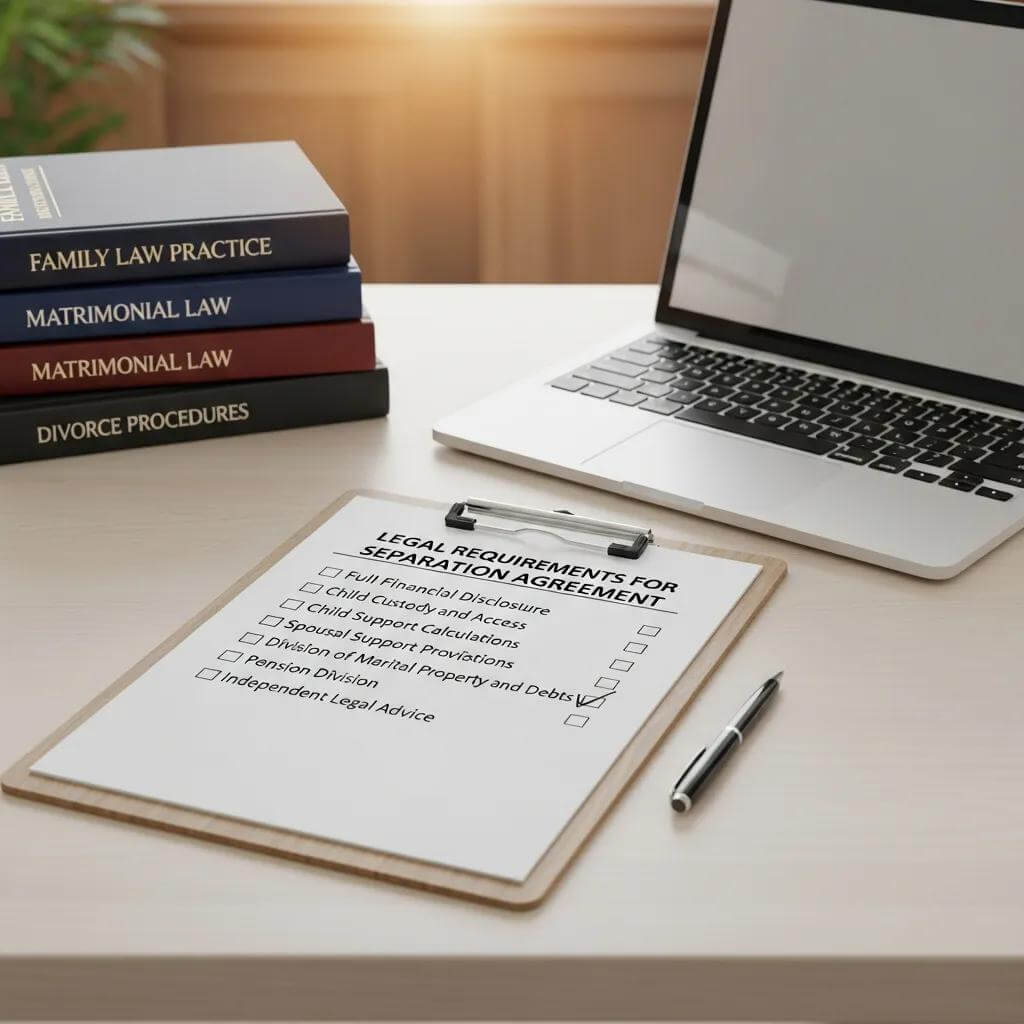
To ensure that a separation agreement is legally binding, it must include:
- Signatures of Both Parties: Both individuals must sign the agreement to indicate their consent.
- Witness Requirements: The signatures should be witnessed by an impartial third party.
- Clear Terms and Conditions: The agreement must clearly outline the terms agreed upon by both parties.
These elements are essential for ensuring that both parties understand their obligations and rights, which can help prevent future legal issues.
How Does Ontario Family Law Affect Separation Agreements?
Ontario family law provides the framework within which separation agreements must operate. Key statutes and judicial interpretations influence how agreements are drafted and enforced. For instance, the Family Law Act outlines the rights and responsibilities of spouses, which must be reflected in any separation agreement. Understanding these legal principles is vital for ensuring that your agreement complies with the law and protects your interests.
How to Make a Separation Agreement: Step-by-Step Guide and Template Use
Creating a separation agreement involves several steps, and utilizing templates can help streamline the process. Here’s a step-by-step guide to assist you.
Where Can I Find a Reliable Separation Agreement Template in Canada?
Reliable templates for separation agreements can be found through various sources, including:
- Legal Aid Websites: Many legal aid organizations provide free templates and resources.
- Family Law Resources: Websites dedicated to family law often offer downloadable templates.
- Local Legal Clinics: Some community legal clinics may provide templates or guidance on drafting agreements.
Using a reputable template can help ensure that your agreement includes all necessary components and adheres to legal standards.
What Are the Steps to Draft and Finalize a Separation Agreement?
- Initial Drafting: Begin by outlining the key terms you wish to include in the agreement.
- Review Process: Both parties should review the draft to ensure mutual understanding and agreement on all terms.
- Finalization and Signing: Once both parties are satisfied, sign the agreement in the presence of a witness.
Following these steps can help facilitate a smoother process and lead to a more effective separation agreement.
When Should I Consult a Lawyer for My Separation Agreement? Understanding Costs and Benefits
While writing your own separation agreement is possible, there are times when consulting a lawyer is advisable. Understanding when to seek professional help can save you time and potential legal issues.
What Is the Cost of Hiring a Lawyer for a Separation Agreement in Ontario?
The cost of hiring a lawyer for a separation agreement in Ontario can vary widely based on several factors, including:
- Hourly Rates: Many lawyers charge by the hour, with rates typically ranging from $250 to $500.
- Flat Fees: Some lawyers may offer flat fees for drafting separation agreements, which can range from $1,000 to $3,000 depending on complexity.
- Additional Costs: Be aware of potential additional costs for consultations or revisions.
Understanding these costs can help you budget appropriately and make informed decisions about legal representation.
How Can Sutton Law Help with Free Assessments and Personalized Support?
Sutton Law is a trusted legal service provider specializing in family law within the Greater Toronto Area. They offer free assessments and consultations to help individuals navigate the complexities of separation agreements. By providing personalized support, Sutton Law ensures that clients receive tailored advice that meets their specific needs. This can be particularly beneficial for those who are unsure about the DIY approach or who have complex situations that require professional guidance.
Frequently Asked Questions About Writing Your Own Separation Agreement
As you consider writing your own separation agreement, you may have several questions regarding its legality and best practices.
Is a DIY Separation Agreement Legally Enforceable in Ontario?
Yes, a DIY separation agreement can be legally enforceable in Ontario, provided it meets the necessary legal requirements. This includes having clear terms, signatures from both parties, and compliance with Ontario family law. However, it is advisable to seek legal advice to ensure that your agreement is properly drafted and enforceable.
What Are Common Mistakes to Avoid When Writing a Separation Agreement?
When drafting a separation agreement, common mistakes to avoid include:
- Vague Language: Ensure that all terms are clearly defined to prevent misunderstandings.
- Ignoring Legal Requirements: Failing to include necessary components can render the agreement unenforceable.
- Not Seeking Legal Advice: Even if you choose to draft your own agreement, consulting a lawyer can provide valuable insights and help avoid pitfalls.
By being aware of these common mistakes, you can create a more effective and legally sound separation agreement.