

Key Steps in the Uncontested Divorce Process:
The uncontested divorce process in Ontario involves several key steps that must be followed to ensure a smooth and efficient resolution. Understanding these steps can help you navigate the process with confidence.
Confirm Eligibility
To qualify for an uncontested divorce in Ontario, you must meet specific criteria. This includes:
- Residency Requirement: At least one spouse must have lived in Ontario for a minimum of one year before filing for divorce.
- Legal Marriage Status: You must be legally married and not in a common-law relationship.
- Grounds for Divorce: The most common ground for an uncontested divorce is living separate and apart for at least one year.
Confirming your eligibility is the first step in the process, ensuring that you meet the necessary legal requirements.
Prepare Your Divorce Application

Preparing your divorce application involves gathering the necessary forms and documents. Key components include:
- Required Forms: You will need to complete the Application for Divorce (Form 8) and the Affidavit for Divorce (Form 36).
- Supporting Documents: This may include your marriage certificate and any agreements regarding child custody or property division.
- Filing Fees: Be prepared to pay the court filing fees, which can vary depending on your location.
Taking the time to prepare your application thoroughly can help avoid delays later in the process.
File Your Application
Filing your divorce application is a crucial step. Here’s what you need to know:
- Where to File: Applications can be filed at your local courthouse or online through the Ontario Court of Justice.
- Filing Fees: The standard fee for filing a divorce application is approximately $632.
- Obtaining a Court File Number: After filing, you will receive a court file number, which is essential for tracking your case.
Properly filing your application ensures that your case is officially recognized by the court.
Serve Your Spouse
Once your application is filed, you must serve your spouse with the divorce papers. Important points include:
- Who Can Serve: The documents can be served by a third party, such as a friend or a process server, but not by you personally.
- Service Methods: You can serve the documents in person or by registered mail.
- Proof of Service: You must provide proof of service to the court, typically through an Affidavit of Service.
Serving your spouse correctly is vital to moving forward with the divorce process.
Wait for Response
After serving your spouse, you must wait for their response. Key considerations include:
- Response Timeframes: Your spouse has 30 days to respond if they are in Canada, or 60 days if they are outside the country.
- Next Steps if No Response: If your spouse does not respond, you may proceed with the divorce as an uncontested case.
- Contested vs Uncontested Scenarios: If your spouse contests the divorce, the process will become more complicated and may require court intervention.
Understanding the response period helps you manage expectations during the divorce process.
Obtain Final Divorce Order
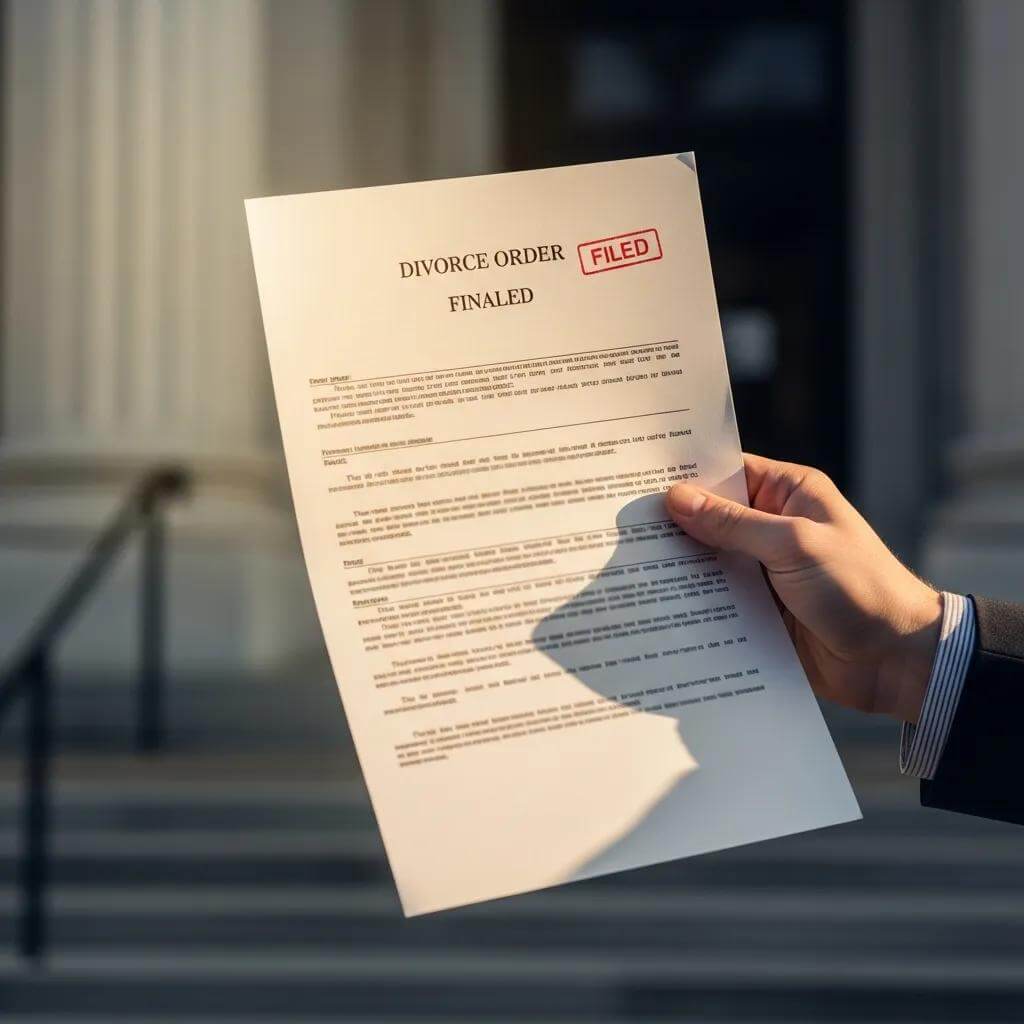
Once the response period has passed, you can obtain your final divorce order. This involves:
- Submitting Final Documents: You will need to submit a Request to the Court for a Divorce Order (Form 25).
- Judicial Review: A judge will review your application and, if everything is in order, grant the divorce.
- Receiving the Divorce Order: Once granted, you will receive a copy of the divorce order, which is essential for legal purposes.
Finalizing your divorce is a significant step towards moving on with your life.
Waiting Period
After obtaining your divorce order, there is a waiting period before you can apply for a certificate of divorce. Important details include:
- Duration of Waiting Period: The waiting period is typically 31 days, during which your spouse can appeal the decision.
- Appeal Process: If your spouse decides to appeal, the process may take longer.
- Obtaining the Certificate of Divorce: After the waiting period, you can apply for your certificate of divorce, which is necessary for remarrying or other legal matters.
Understanding the waiting period helps you plan your next steps effectively.
Obtain Certificate of Divorce
Finally, obtaining your certificate of divorce is the last step in the process. Here’s how to do it:
- When to Apply: You can apply for the certificate after the waiting period has ended.
- Required Documents: You will need to provide a copy of your divorce order and pay a small fee.
- Importance of the Certificate: The certificate is essential for legal purposes, such as remarrying or changing your marital status.
Securing your certificate of divorce officially concludes the process.
What Is an Uncontested Divorce in Ontario?
An uncontested divorce in Ontario is a legal process where both spouses agree on all terms of the divorce, including child custody, support, and property division. This type of divorce is generally quicker and less expensive than a contested divorce, as it avoids lengthy court battles and negotiations.
Who Qualifies for an Uncontested Divorce in Ontario?
To qualify for an uncontested divorce, both spouses must agree on the divorce terms and meet the eligibility criteria outlined earlier. This includes residency requirements and grounds for divorce, ensuring that the process can proceed smoothly without disputes.
How Does Ontario Family Law Define Uncontested Divorce?
Ontario family law defines an uncontested divorce as one where both parties have reached an agreement on all relevant issues. This includes child custody, support arrangements, and the division of property. The absence of disputes allows for a more streamlined process, reducing the emotional and financial burden on both parties.
What Are the Steps to File an Uncontested Divorce in Ontario?
Filing an uncontested divorce involves several steps that ensure the process is completed efficiently. Understanding these steps can help you navigate the legal landscape with ease.
How to Complete and Submit Divorce Application Forms in Ontario?
Completing and submitting your divorce application forms requires careful attention to detail. Here’s a step-by-step guide:
- Choose the Correct Form: Ensure you have the right forms for your situation, such as the Application for Divorce (Form 8).
- Gather Required Documents: Collect all necessary documents, including your marriage certificate and any agreements regarding children or property.
- File the Application: Submit your completed forms to the appropriate court, either in person or online.
Following these steps will help ensure your application is processed without delays.
What Is the Role of Family Court in the Uncontested Divorce Process?
Family court plays a crucial role in the uncontested divorce process by overseeing the filing and finalization of divorce applications. Key responsibilities include:
- Reviewing Applications: The court reviews submitted applications to ensure they meet legal requirements.
- Issuing Divorce Orders: Once the application is approved, the court issues a divorce order, finalizing the dissolution of marriage.
- Ensuring Compliance: The court ensures that all legal obligations, such as child support and custody arrangements, are adhered to.
Understanding the court’s role can help you navigate the process more effectively.
What Is the Average Timeline for an Uncontested Divorce in Ontario?
The average timeline for an uncontested divorce in Ontario can vary based on several factors, including court processing times and the complexity of your case. Generally, the process can take anywhere from 2 to 6 months from the time of filing to receiving your final divorce order.
What Are the Typical Waiting Periods and Processing Times?
Typical waiting periods and processing times for an uncontested divorce include:
- Filing to Response: After filing, you must wait for your spouse to respond, which can take up to 30 days.
- Court Processing: Once the response period is over, the court typically processes uncontested applications within 4 to 8 weeks.
- Finalization: After obtaining the divorce order, there is a 31-day waiting period before you can apply for the certificate of divorce.
These timelines can help you plan your next steps effectively.
How Do Recent Ontario Family Law Reforms Affect Divorce Duration?
Recent reforms in Ontario family law have aimed to streamline the divorce process, potentially reducing the time it takes to finalize an uncontested divorce. Key changes include:
- Simplified Procedures: New regulations have simplified the filing process, making it easier for couples to complete their applications.
- Increased Court Efficiency: Courts are now better equipped to handle uncontested cases, leading to faster processing times.
- Focus on Mediation: Encouraging mediation and negotiation can help resolve disputes more quickly, further expediting the divorce process.
These reforms are designed to make the divorce process more efficient and less stressful for couples.
How Much Does an Uncontested Divorce Cost in Ontario?
The cost of an uncontested divorce in Ontario can vary based on several factors, including legal fees and court costs. Understanding these costs can help you budget effectively for your divorce.
What Are the Typical Legal Fees and Court Costs?
Typical legal fees and court costs associated with an uncontested divorce include:
- Filing Fees: The standard court filing fee is approximately $632.
- Legal Fees: If you choose to hire a lawyer, fees can range from $1,000 to $3,000, depending on the complexity of your case.
- Additional Costs: You may incur additional costs for document preparation or mediation services.
Being aware of these costs can help you plan your budget accordingly.
How Can You Save Money During the Divorce Process?
There are several strategies you can employ to save money during the divorce process:
- Handle Paperwork Yourself: Completing your own divorce application can save on legal fees.
- Use Flat-Rate Services: Some legal firms offer flat-rate services for uncontested divorces, which can be more affordable.
- Explore Fee Waivers: If you are experiencing financial hardship, you may qualify for a fee waiver for court costs.
By taking these steps, you can reduce the financial burden of your divorce.
How Does Sutton Law Support Your Uncontested Divorce Journey in Ontario?
Sutton Law is a Toronto-based legal firm specializing in family law, offering personalized support for individuals navigating the uncontested divorce process. Their expertise can help simplify the legal complexities involved.
What Free Case Assessments and Assessments Does Sutton Law Offer?
Sutton Law provides free consultations and assessments to help clients understand their options and the divorce process. This initial meeting allows you to discuss your situation and receive tailored legal advice without any financial commitment.
How Do Client Testimonials Reflect Sutton Law’s Expertise?
Client testimonials highlight Sutton Law’s commitment to providing empathetic and effective legal support. Many clients have praised the firm for its professionalism and ability to simplify the divorce process, reflecting their expertise in family law.
What Are Common Questions About Uncontested Divorce in Ontario?
Understanding common questions about uncontested divorce can help clarify the process and alleviate concerns.
How Do You Handle Divorce Mediation and Legal Separation Options?
Divorce mediation is a valuable option for couples seeking to resolve disputes amicably. It involves a neutral third party who facilitates discussions and helps couples reach agreements on key issues. Legal separation is another option for couples who wish to live apart without formally divorcing, allowing for time to consider their options.
For those requiring assistance with real estate matters during a divorce, Sutton Law also provides expert guidance.
Where Can You Find Official Forms and Resources for Divorce in Ontario?
Official forms and resources for divorce in Ontario can be found on the Ontario government’s website or at your local courthouse. These resources provide essential information on the divorce process, including downloadable forms and guidelines for filing.
If you need assistance with employment law matters during or after your divorce, consider consulting with Sutton Law.